
Breathable Paint
The Sustainable Solution for Mold Prevention & Healthy Living
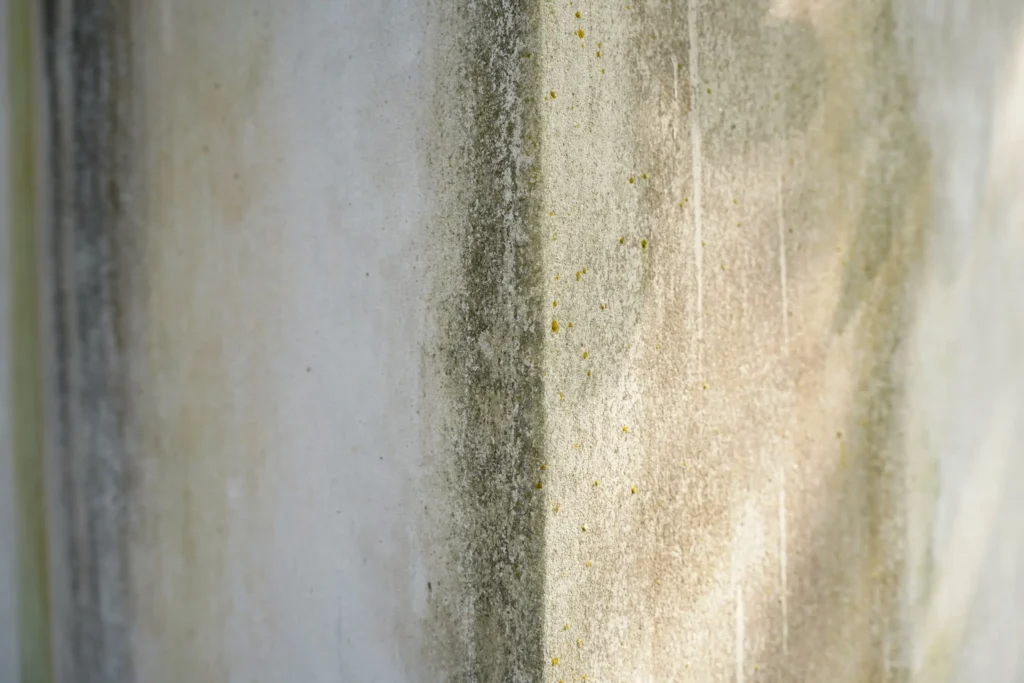
Tropical climates are defined by intense sunlight and high humidity year-round. These atmospheric conditions accelerate a persistent structural and aesthetic issue for buildings: black mold, mildew, and algae growth on walls. Beyond degrading architectural integrity, mold releases airborne spores that compromise indoor air quality, triggering allergies and respiratory distress.
For architects aiming for green building certifications (such as LEED or WELL) and homeowners building sustainable residences, eliminating mold requires addressing its root cause. That is why Breathable Paint—specifically 100% Pure Silicate Mineral Paint—has become the definitive material innovation for long-term wall protection without toxic chemicals.
1. The Mold Cycle: Why Traditional Acrylic Paint Fails Long-Term
Mold requires three primary conditions to thrive: moisture, airborne spores, and organic nutrients. Conventional paints fail to prevent mold over time due to two main vulnerabilities:
A. The Moisture Trap Behind Synthetic Films
Concrete and plaster are naturally porous materials that readily absorb moisture—from heavy rain penetrating micro-cracks to groundwater migrating via capillary action (rising damp). Standard acrylic paints cover masonry with a dense plastic film. When internal moisture cannot evaporate through this plastic barrier, it becomes trapped inside the wall. This creates an ideal breeding ground for sub-surface mold, which eventually pushes through the paint film, causing unsightly blistering, cracking, and dark fungal growth.
B. Degradation of Chemical Biocides
Conventional anti-mold paints rely on synthetic biocides and fungicides added into the chemical mix. However, these chemical additives are temporary. Exposure to rainwater, heat, and UV radiation leaches these toxins out within 2 to 3 years. Once the chemicals degrade, mold returns aggressively.
2. Understanding Breathable Wall Technology
The term “Breathable Paint” describes a specific material engineering property: High Vapor Permeability. Unlike acrylic coatings, pure silicate mineral paint undergoes a chemical process called silification (petrification), bonding directly with the masonry calcium.
Key Architectural Metric: Low Sd-Value
Vapor permeability is measured by the Sd-Value (Equivalent Air Layer Thickness). Lower values indicate superior breathability. Pure silicate paint features an Sd-Value below 0.02 meters, representing the highest international rating for moisture vapor breathability.
Silicate paint creates an open micro-porous honeycomb structure. These micro-pores are large enough to allow trapped water vapor to escape outward freely, while remaining far too small for external liquid rain droplets to enter. The wall stays completely dry and structurally sound.
3. Dual Natural Defense: Mold Prevention Without Toxins
Pure silicate paint eliminates mold permanently through two chemical mechanisms:
Starving Mold of Moisture & Nutrients: By allowing continuous vapor release, the wall surface remains dry. Furthermore, because pure silicate paint is 100% inorganic mineral-based, it contains no organic carbon compounds or polymers (unlike acrylic plastics), removing the organic food supply mold needs to feed on.
Natural High Alkalinity ($\{pH } 11\{–}12$): Potassium silicate is naturally alkaline. This high $\{pH}$ creates an impenetrable biological shield against mold spores and bacteria. Because alkalinity is an inherent chemical property of the natural mineral base, it never washes away or degrades like chemical biocides.
4. Technical Comparison: Acrylic vs. Pure Silicate Paint
| Feature | Traditional Acrylic Paint | Pure Silicate Paint (Breathable) |
| Material Base | Synthetic Resins & Polymers | 100% Natural Minerals (Silicate) |
| Bonding Mechanism | Physical Film Coating (Plastic film barrier) | Chemical Petrification (Silification into stone) |
| Moisture Management | Blocks moisture (Causes internal dampness & blistering) | Breathable micro-porous structure ($\{Sd-Value } < 0.02\{ m}$) |
| Mold Protection Method | Synthetic biocides (Degrades in 2–3 years) | Natural high alkalinity ($\{pH } 11\{–}12$) + zero food source |
| Environmental & Health Impact | Chemical off-gassing & microplastic pollution | Zero VOCs, Non-toxic, Low carbon footprint |
5. Indoor Health and Green Building Impact
Choosing breathable mineral paint directly enhances occupant health and supports environmental standards:
Optimal Indoor Air Quality: Permanently preventing mold eliminates airborne fungal spores, reducing asthma triggers, nasal allergies, and respiratory irritation.
Zero VOCs & Non-Toxic: Silicate paint releases zero volatile organic compounds during or after application, ensuring immediate safe occupancy without harmful toxic off-gassing.
Microplastic Reduction: Unlike flaking acrylic paint that breaks down into microplastic environmental pollutants, degrading silicate mineral finishes simply erode into natural stone dust.
Summary & Recommendations
Natural mineral silicate paint demonstrates that permanent structural protection is best achieved through natural chemical mechanisms rather than synthetic coatings.
For Architects: Specifying pure silicate paint protects project aesthetics, eliminates post-handover moisture claims, and earns valuable credits under LEED and WELL certification frameworks.
For Homeowners: Investing in breathable mineral paint guarantees healthy indoor air, durable walls, and a single, cost-effective paint solution that lasts for decades.